Design Tokens
Storybook
Component States
Accessibility
React Collaboration
Production-ready UI
My process doesn’t stop at high-fidelity mockups. I work at the layer where design decisions meet engineering reality — defining component behavior, state logic, accessibility requirements, and scalable patterns that can survive production constraints.
That includes:
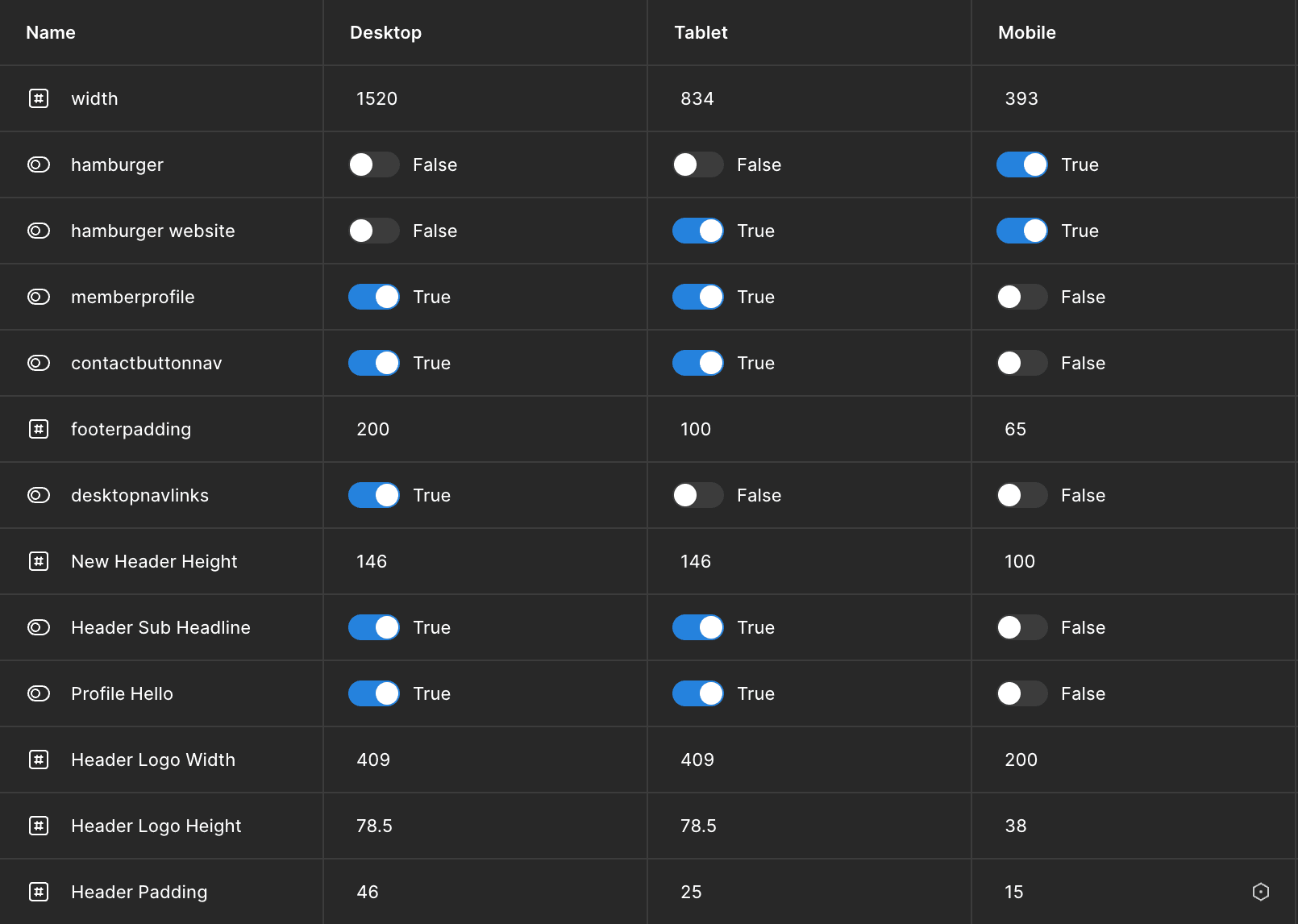
• Mapping tokens to reusable UI
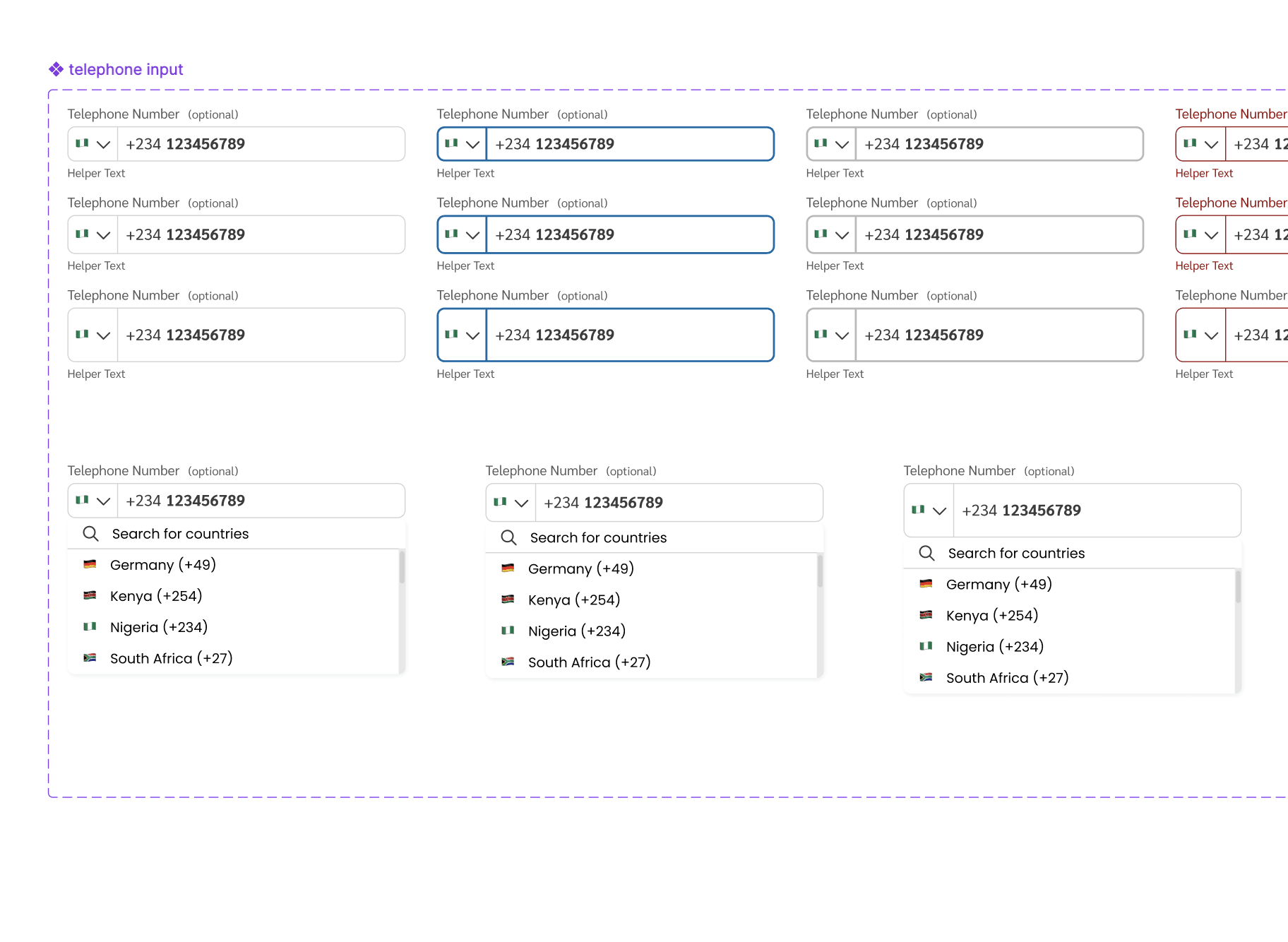
• Designing for state changes, not ideal screens
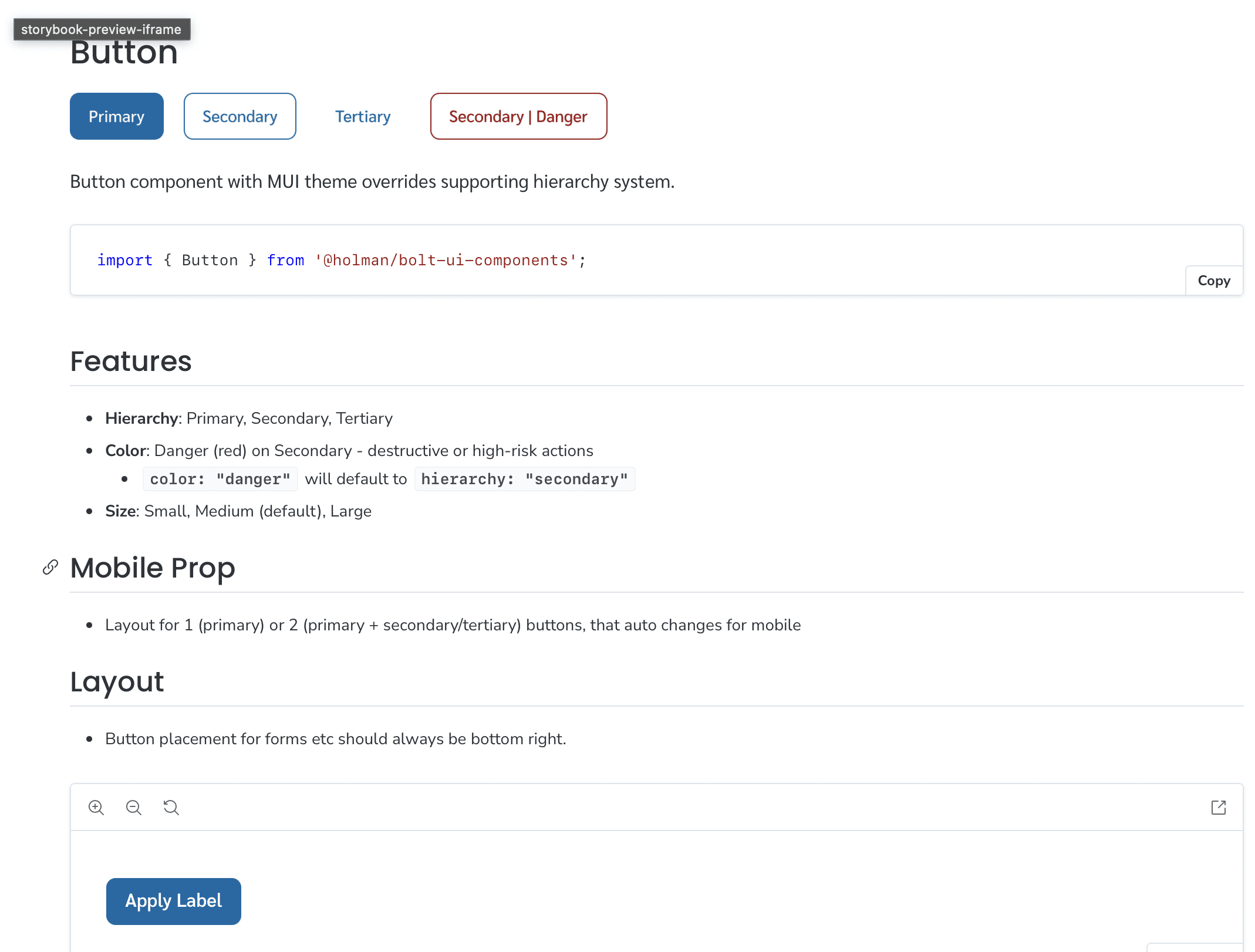
• Aligning with frontend frameworks and Storybook libraries
• Reducing ambiguity between design and development
Component-Driven Thinking
I design systems and product interfaces as reusable parts, not one-off screens. That means defining structure, behavior, and variation early so components scale across products and teams.
State-Aware UX
I account for loading, error, empty, success, and edge-case states so the experience remains clear and resilient in real-world conditions.
Token-Based Systems
I use variables and tokens to support consistency, responsiveness, theming, and smoother handoff into engineering workflows.
Accessibility in Implementation
Accessibility is not a final QA step. I define contrast, focus behavior, interaction patterns, and usability expectations as part of the system itself.
Across enterprise and platform work, I’ve partnered with engineering to align design systems with Storybook libraries, shared tokens, and reusable component logic. The goal is not just cleaner handoff — it’s faster delivery, stronger consistency, and fewer gaps between intent and implementation.
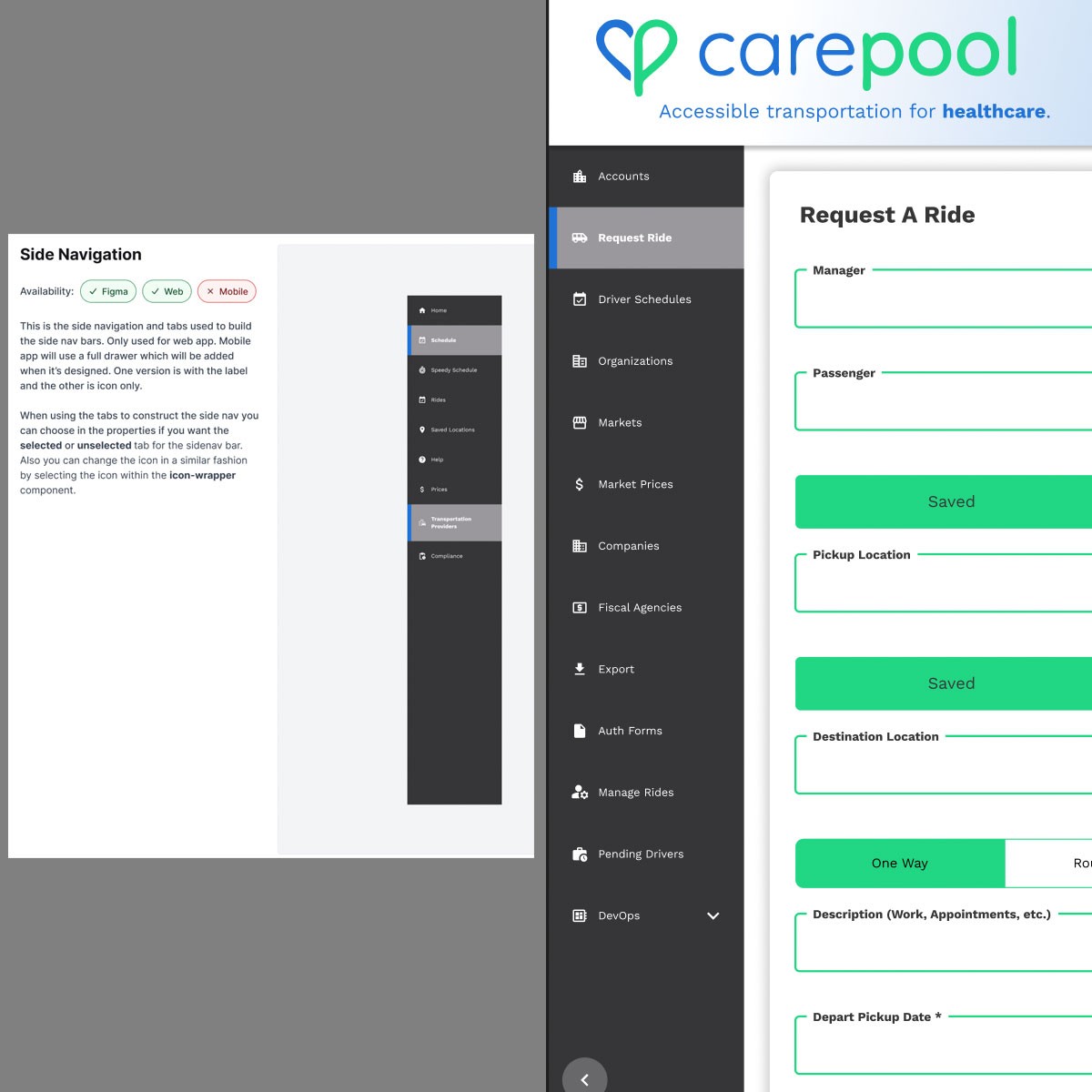
I partner closely with engineers early — not just at handoff. I use implementation constraints, platform logic, and component reuse to shape better product decisions upfront.
That often means:
• Validating feasibility before polishing UI
• Reducing design debt through reusable patterns
• Clarifying component behavior and edge cases
• Treating design systems as shared infrastructure, not documentation alone
The strongest product teams don’t separate design quality from implementation quality. I bridge the two — helping teams move faster, reduce ambiguity, and ship experiences that are thoughtful, scalable, and real.