INTRO
Led the transformation of fragmented UI efforts into a unified, component-driven design infrastructure supporting 35+ designers and multiple engineering teams. Established governance, standardized tokens, and aligned Storybook implementation to accelerate delivery and improve product consistency at enterprise scale.
Role: Senior Product Designer
Scope: 15 Domains
Team: 35 Designers + Dev COE
Impact:
52% reduction in design time
40% faster development cycles
63% overall productivity increase
BUSINESS
Design Systems
YEAR
2020

THE PROBLEM
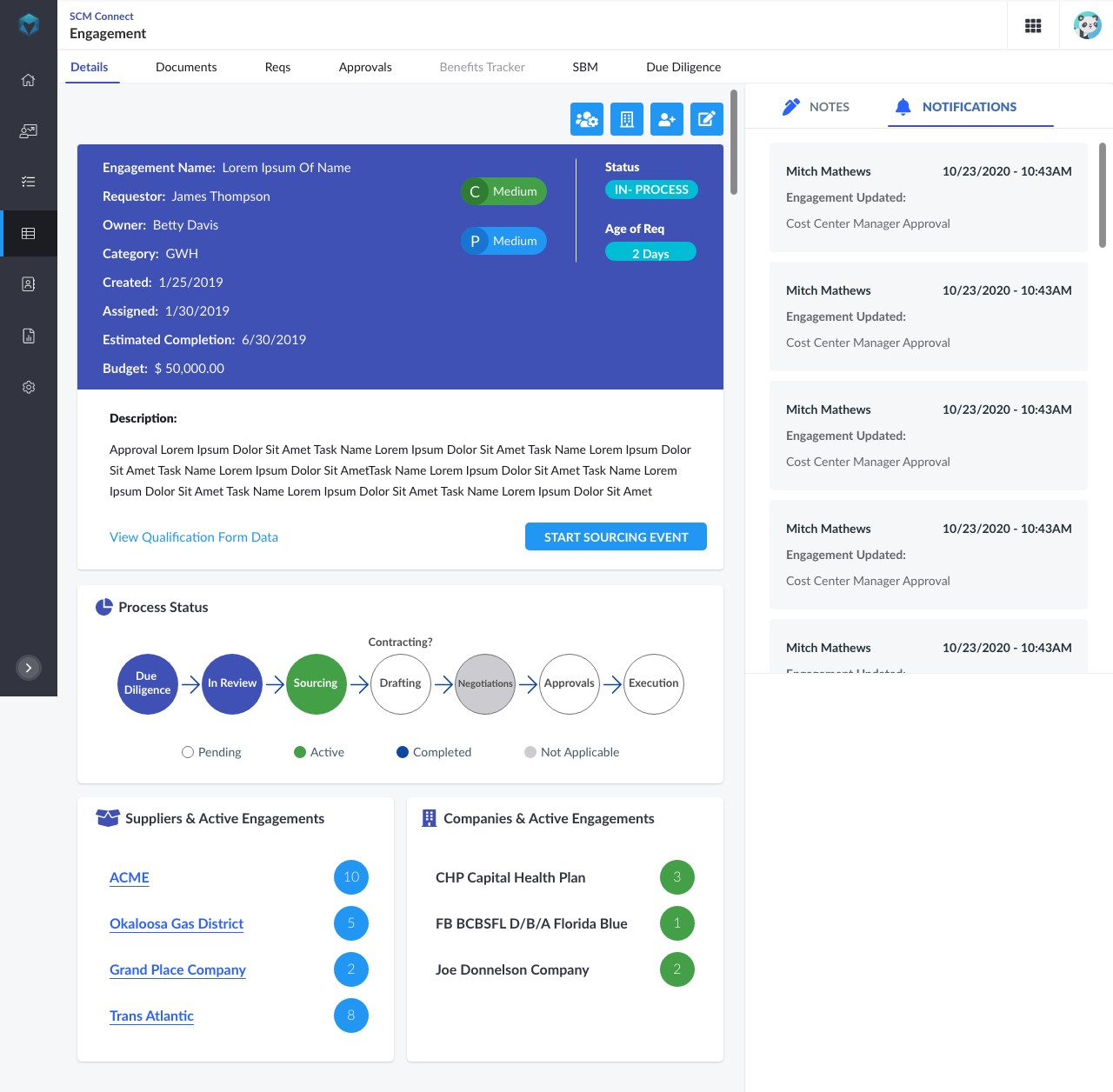
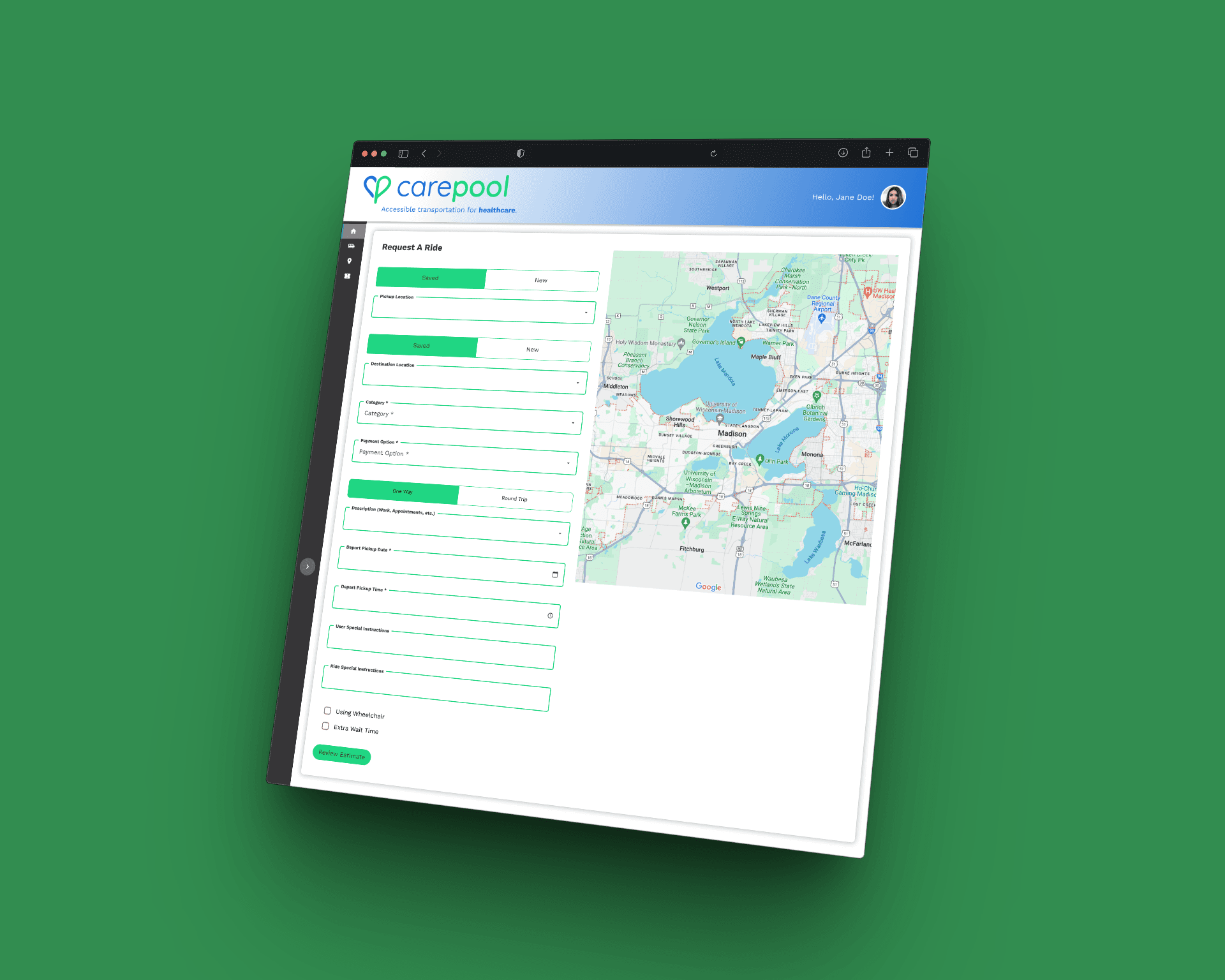
Design teams across 15 enterprise domains were operating independently with inconsistent UI patterns, duplicated components, and varying accessibility standards. Engineering teams were rebuilding similar interfaces repeatedly, slowing product velocity and increasing maintenance cost.
There was no governance structure, shared token strategy, or scalable component library.
This resulted in:
Design inconsistency
Slower iteration cycles
Increased technical debt
Fragmented user experience
CONSTRAINTS
Mixed frontend stacks (Material UI, Bootstrap)
Domain-level ownership silos
Stakeholder bias toward legacy patterns
Accessibility compliance requirements
Resistance to centralized governance
STRATEGY & APPROACH
1. Establish Governance Model
Created a cross-functional Center of Excellence with monthly voting on system additions.
2. Standardize Token Architecture
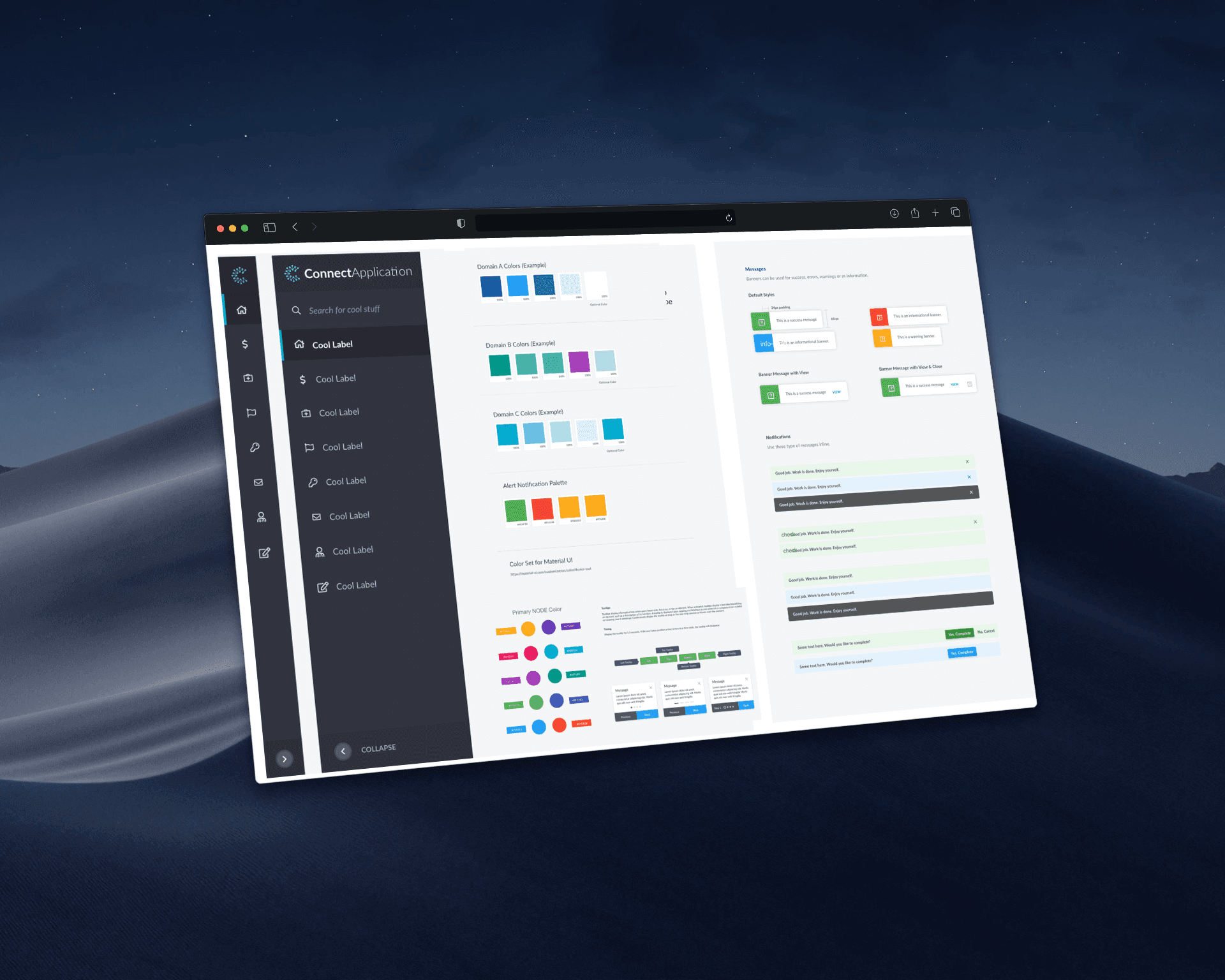
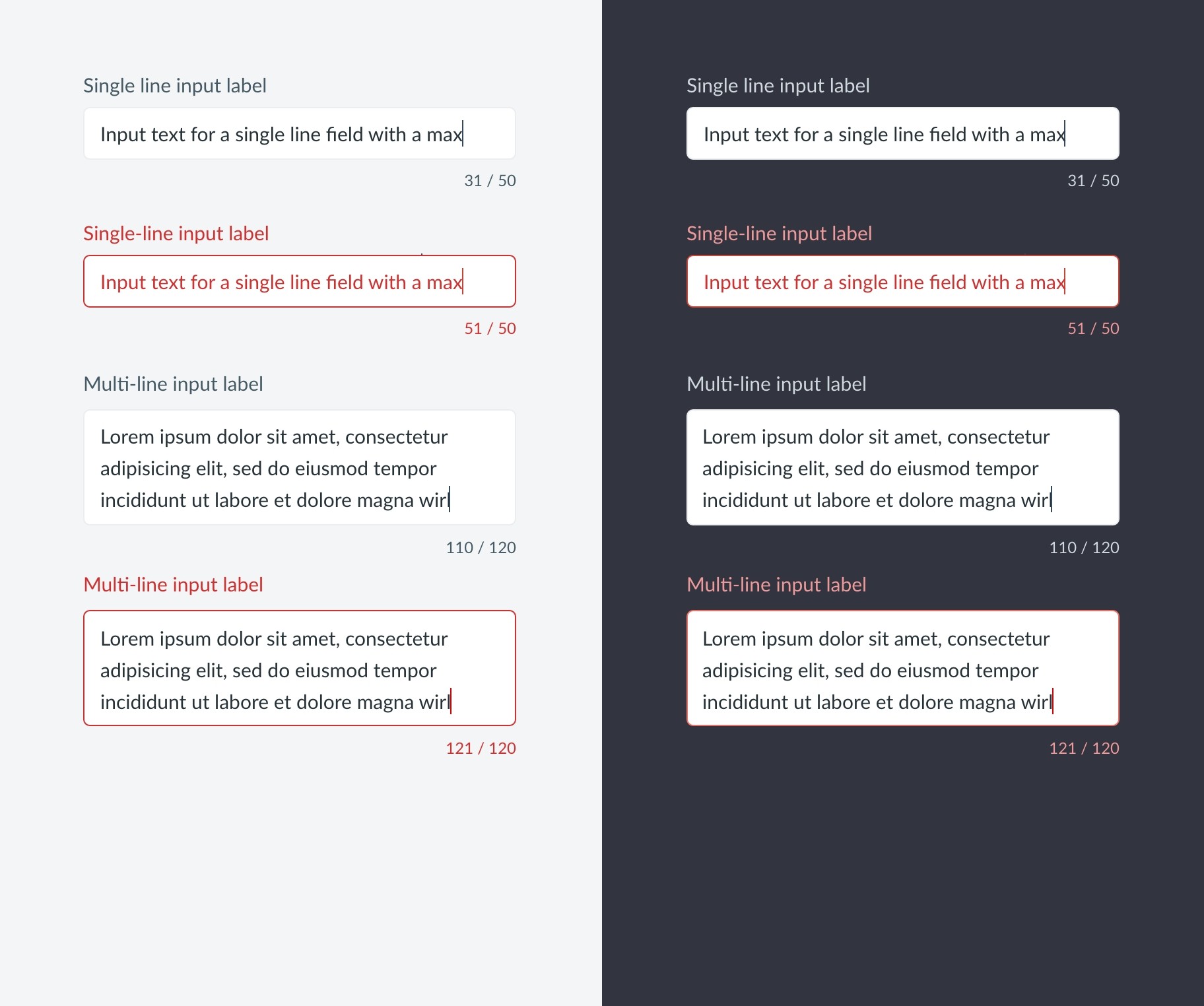
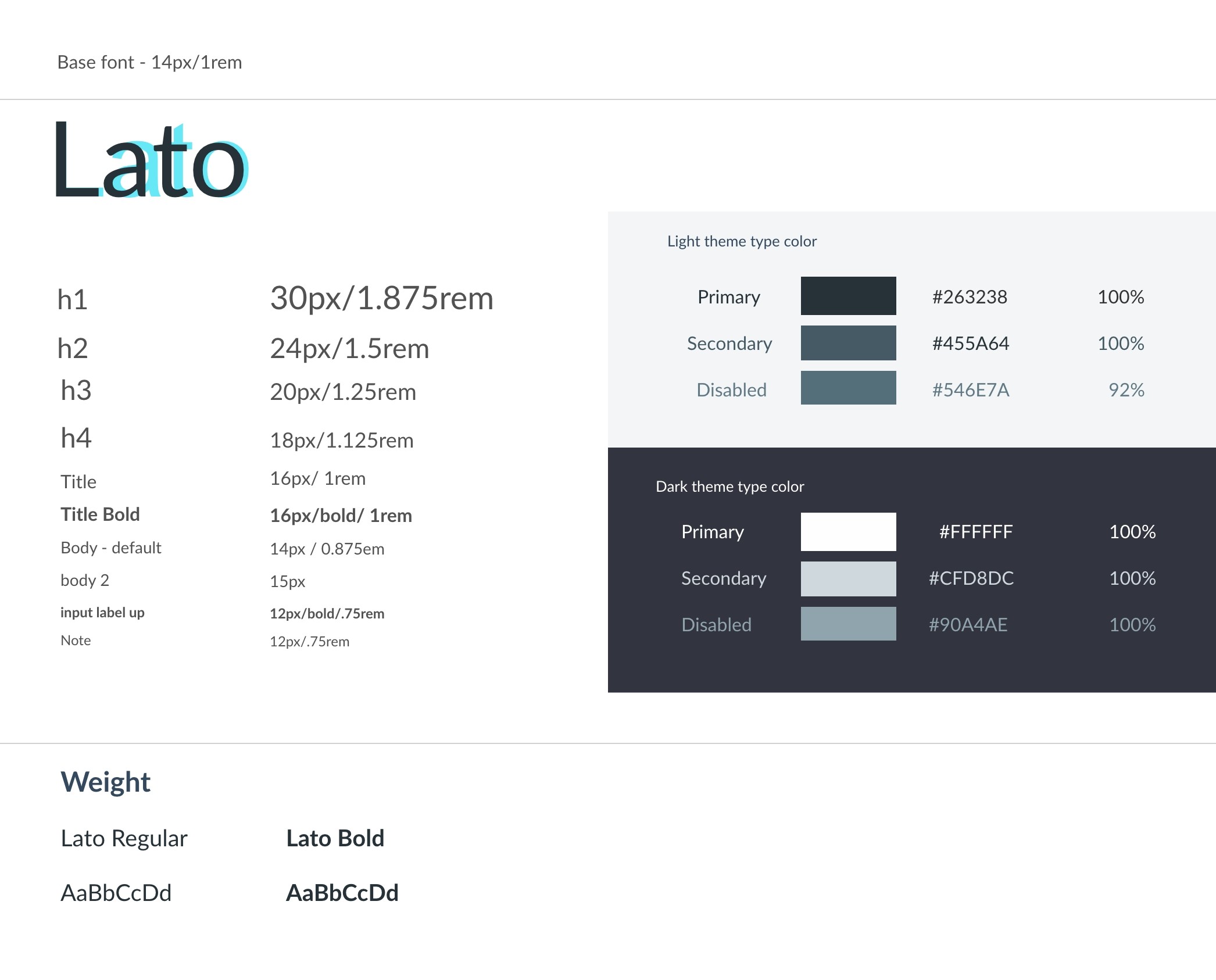
Implemented scalable color, spacing, and typography tokens to support theming and responsiveness.
3. Align with Engineering
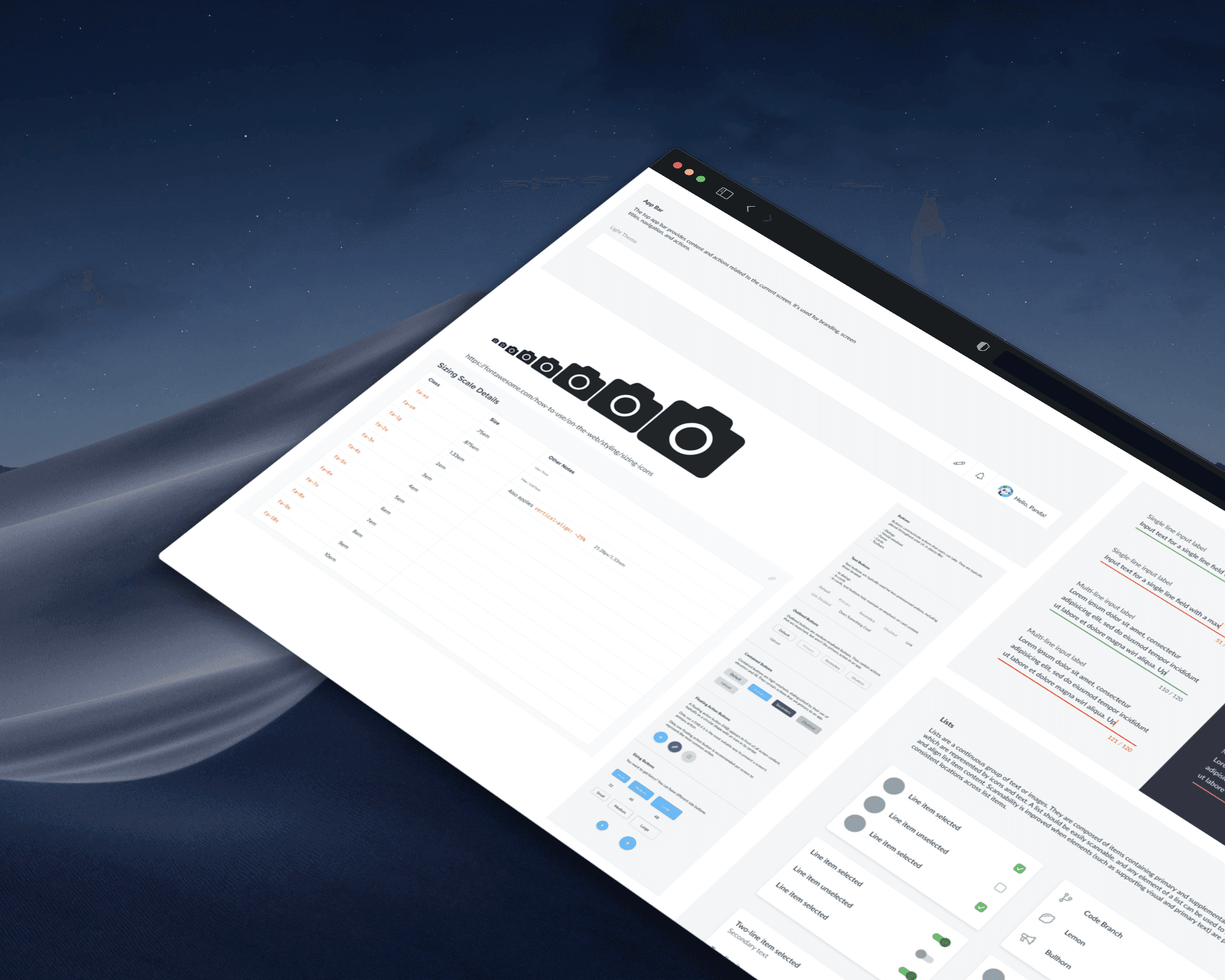
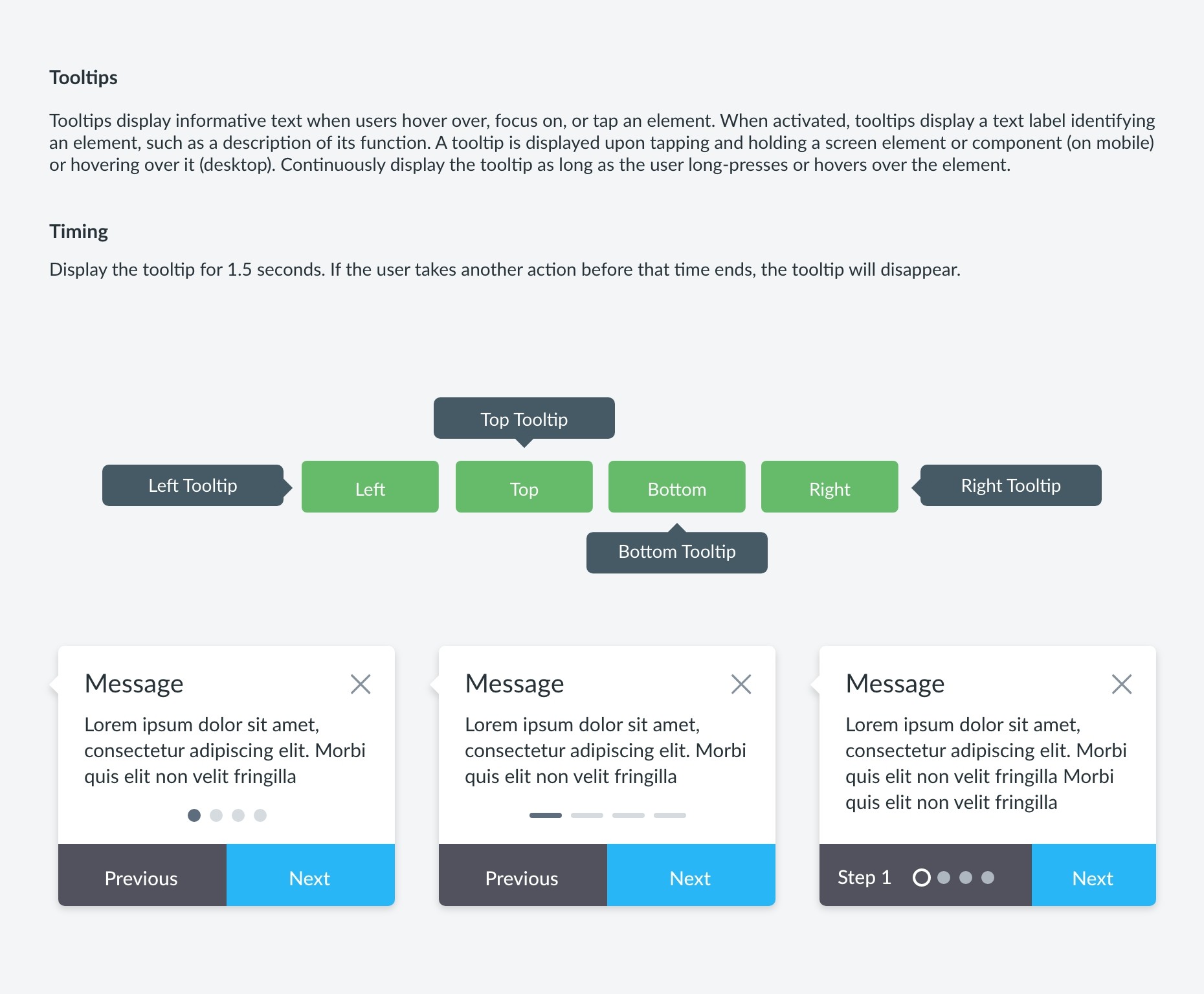
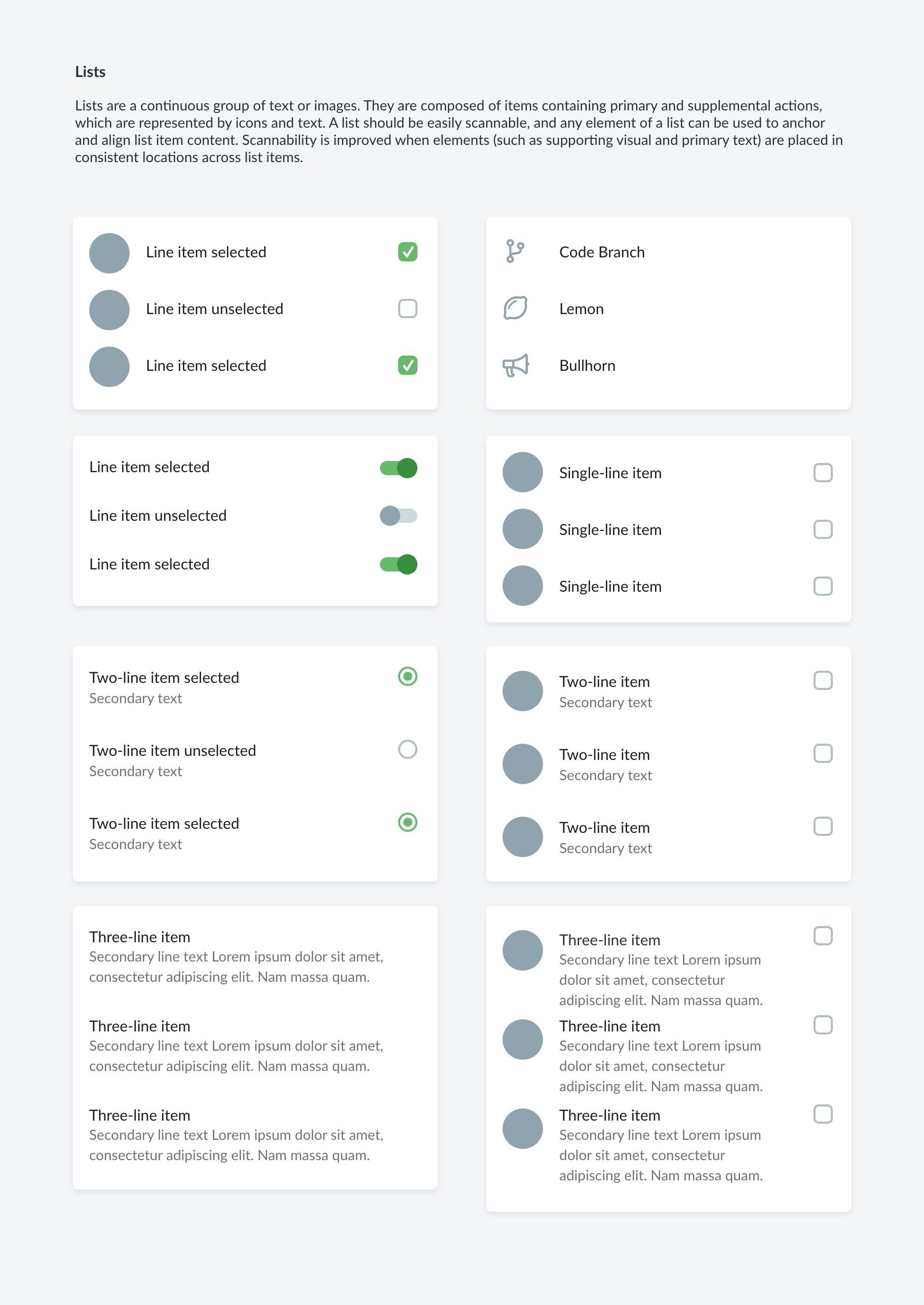
Mapped components to Storybook documentation and production-ready patterns.
4. Drive Adoption Through Collaboration
Facilitated workshops, brainstorming sessions, and design reviews across 30+ designers.
KEY DECISIONS
Decision 1: Build for Scale, Not Perfection
Focused on extensibility rather than pixel perfection in early phases.
Decision 2: Align With Developer Constraints
Designed components around real implementation limitations.
Decision 3: Prioritize Accessibility as Baseline
Embedded AAA accessibility into component standards.
Decision 4: Create Voting-Based Governance
Prevented system stagnation and designer resistance.
OUTCOME
Post-adoption metrics showed:
52% faster design cycles
40% faster engineering delivery
63% productivity improvement across teams
Improved accessibility compliance across domains
Reduced duplication and technical debt
SYSTEM IMPACT
The design system became foundational infrastructure for enterprise product development.
Reusable component architecture
Shared token strategy
Integrated Storybook documentation
Cross-domain design alignment
Sustainable governance model